No Green Thumb Needed: The Ultimate Jamaican Container & Raised Bed Guide

Updated: 15 hours ago

With rising food costs and a beautiful, year-round tropical climate, more Jamaicans are transforming their yards into high-yielding kitchen gardens. Whether you are working with a spacious lot in the fertile plains of St. Elizabeth, a hillside patch in Manchester, or a tight concrete patio in Kingston, understanding the timeline of your crops is the secret to a continuous, bountiful harvest.
By planning your garden around short-term, medium-term, and long-term crops, you can maximize your food security, dramatically reduce your market bill, and enjoy a steady supply of fresh, organic produce. This comprehensive guide details what to plant, when to harvest, and how to optimize your growing spaces using raised beds and containers under the Jamaican sun.
Understanding the Three-Tier Harvest Strategy
The common mistake made by many first-time backyard gardeners in Jamaica is planting everything all at once, leading to a single, overwhelming harvest followed by months of empty garden beds. To build true food security at home, you must adopt a continuous, multi-tiered harvest strategy.
Short –Term Crops (Reap in 3-8 Weeks | Medium Term Crops (Reap in 2-5 Months) | Long Term Crops (Reap in 6-12 Months |
Quick cash /food wins: | Continuous bulk food: | Deep food security: |
Callaloo | Tomatoes | Yams |
Pak Choi/Bok Choy | Okra | Sweet Potatoes |
Beans |
By balance-planting all three tiers simultaneously, your short-term crops feed you while your medium-term crops flower, and your medium-term crops sustain you while your long-term ground provisions mature deep beneath the earth.
1. Short-Term Crops: The Quick Wins (3 to 8 Weeks)
Short-term crops are the lifeline of the backyard garden. They require minimal space, grow rapidly, and offer an immediate return on your investment in soil and seeds. For a backyard gardener or home enthusiast, these are the plants that build initial confidence
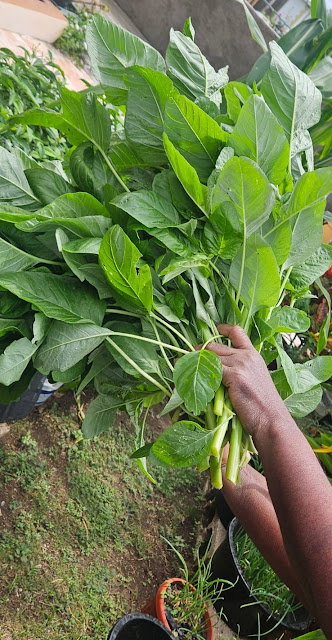
Callaloo (Amaranthus viridis)
Maturity Time: 4 to 6 weeks from seed; 3 weeks from transplants.
Harvest Method: Cut-and-come-again. Never pull the entire plant out by the roots. Instead, use sharp shears or your fingers to snap off the tender top shoots and upper leaves. Leave the bottom node intact, and the plant will branch out, providing a fresh flush of callaloo every 2 weeks for up to 4 months.
Jamaican Growing Tips: Callaloo loves nitrogen. Mix plenty of well-rotted chicken manure into the soil before planting. It thrives in full sun but requires heavy watering during dry spells to prevent the leaves from turning bitter and woody.

Bok Choy (Brassica rapa subsp. chinensis)
Maturity Time: 4 to 5 weeks.
Harvest Method: You can harvest baby leaves at 3 weeks for fresh salads, or wait until the base forms a thick, crunchy, white or green rosette at 45 days. Cut the entire plant about an inch above the soil level; often, a second, smaller rosette will sprout from the remaining stump.
Jamaican Growing Tips: Bok Choy is highly susceptible to caterpillars (loopers) and flea beetles. It prefers partial afternoon shade in hot lowland areas like Spanish Town or Montego Bay to prevent it from "bolting" (flowering early and turning bitter).

Lettuce and Salad Greens (Lactuca sativa)
Maturity Time: 3 to 6 weeks.
Harvest Method: Loose-leaf varieties (like Black Seeded Simpson or red leaf lettuce) are ideal for Jamaica. Pluck the outer leaves as needed, allowing the center to keep growing.
Jamaican Growing Tips: Traditional head lettuce (like Iceberg) struggles in the Jamaican heat. Stick to loose-leaf or heat-tolerant Romaine varieties. Plant them in positions that receive bright morning sun but are completely shaded from the scorching 12 p.m. to 3 p.m. tropical heat.


Seasoning Staples: Escallion & Thyme
Maturity Time: 6 to 8 weeks (continuous thereafter).
Harvest Method: Snip outer escallion green blades for daily cooking, or pull whole small clusters, leaving one or two stalks behind to multiply. For fine-leaf thyme, trim the woody stems back by a third to encourage bushy new growth.
Jamaican Growing Tips: These two are inseparable in Jamaican pots and grow beautifully side-by-side. They require sharp, flawless drainage. If their roots sit in soggy soil for even a few days, they will rot.
2. Medium-Term Crops: The Garden Workhorses (2 to 5 Months)
Medium-term crops demand more structural care, regular pruning, and a steady supply of nutrients. However, once they begin bearing, they produce in high volumes over a prolonged period, significantly driving down your monthly grocery expenses.

Tomatoes (Solanum lycopersicum)
Maturity Time: 70 to 90 days from transplanting.
Harvest Method: Gently twist the fruit upward from the vine stem when it shows a rich blush of color. Allowing tomatoes to ripen fully on the vine yields the sweetest flavor, but picking them slightly early (at the "breaker" stage) protects them from birds and fruit flies.
Jamaican Growing Tips: Local heat-tolerant varieties like "Heatmaster" or traditional plum/plum-cherry tomatoes handle our climate best. You must stake your tomatoes using sturdy bamboo sticks or wooden stakes to keep the fruit off the damp ground, preventing fungal blight. Prune the "suckers"—the tiny shoots that grow in the V-shape intersection between the main stem and a leaf branch—to focus the plant's energy on fruit size rather than wild leaves.

Okra (Abelmoschus esculentus)
Maturity Time: 50 to 60 days.
Harvest Method: Continuous and aggressive. Once the beautiful yellow hibiscus-like flowers fall off, pods form rapidly. Harvest them using a knife when they are 3 to 4 inches long. If the tip of the okra pod does not snap easily when bent, it is too old and has become woody.
Jamaican Growing Tips: Okra loves the intense Jamaican heat and is exceptionally drought-tolerant once established. Wear long sleeves when harvesting, as the tiny, prickling hairs on the leaves can cause severe skin itching.

Sweet & Hot Peppers (Capsicum annuum)
Maturity Time: 80 to 100 days.
Harvest Method: Snip the pepper stems with shears to avoid tearing the main branches of the plant.
Jamaican Growing Tips: While Scotch Bonnet falls into the long-term perennial tier, sweet bell peppers and seasoning peppers are medium-term workhorses. They are heavy feeders that require consistent moisture. Calcium deficiency in Jamaican soils often causes "blossom end rot" (where the bottom of the pepper turns black and mushy). Remedy this by burying crushed eggshells or a handful of agricultural lime directly into the soil bed before planting.

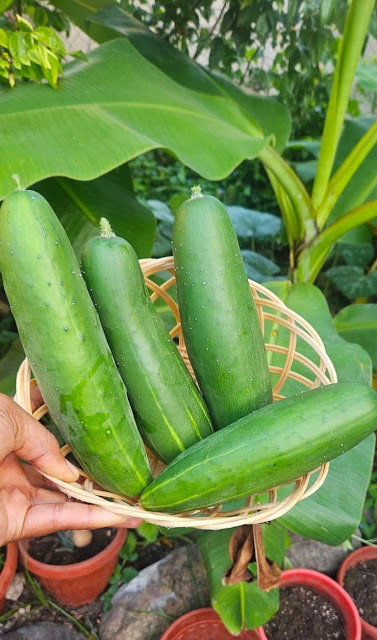
Cucumbers & Melons
Maturity Time: 55 to 70 days.
Harvest Method: Cut the vine attachment when the cucumber is firm, uniformly green, and before it starts turning yellow (which indicates over-maturity and bitterness).
Jamaican Growing Tips: These are sprawling vines that take up massive floor space. To save room in a backyard garden, encourage them to grow vertically up a mesh fence or a strong bamboo trellis. Hand-pollination is often necessary in urban backyard spaces: take a male flower (identifiable by its plain stem) and gently rub its yellow pollen center inside the female flower (which has a tiny, miniature cucumber shape at its base).
3. Long-Term Crops: Foundational Food Security (6 to 12+ Months)
Long-term crops are your structural investments. These are deep-rooting, resilient plants that act as a buffer against hard economic times or seasonal market shortages.

Sweet Potatoes (Ipomoea batatas)
Maturity Time: 4 to 6 months.
Harvest Method: Dig carefully around the perimeter of the root zone with a garden fork once the green vines begin to turn yellow and dry out. Be careful not to bruise the delicate skin of the tubers.
Jamaican Growing Tips: Never plant sweet potatoes in flat, hard ground. They require high, loose soil ridges or mounds. They root effortlessly from "slips" (vine cuttings). Simply take a 12-inch cutting from a healthy vine, strip the leaves from the bottom half, and bury it at a 45-degree angle in loose soil.

Yellow, White, and Lucea Yams (Dioscorea spp.)
Maturity Time: 7 to 9 months.
Harvest Method: Excavate the soil bank carefully. In Jamaican tradition, you can "bleed" the yam—meaning you harvest the large mature tuber early while leaving the top "head" attached to the vine roots in the soil, allowing it to grow a second, smaller yam (called a "foot") for seed stock.
Jamaican Growing Tips: Yams require deep, loose dirt mounds heavily fortified with organic matter. They are vigorous climbers that require a tall, strong bamboo "yam pole" (at least 8 to 10 feet high) to support their heavy weight of vines. Without a pole for the vines to catch the sun, your underground yam will remain tiny.
Cassava (Manihot esculenta)
Maturity Time: 8 to 12 months.
Harvest Method: Cut the tall woody main stems down to a 1-foot stump, then pull firmly upward from the base to lift the entire root cluster out of the earth.
Jamaican Growing Tips: Cassava is the ultimate drought-resistant crop, surviving in poor, rocky soils where other plants perish. It is propagated easily by cutting the mature woody stalks into 6-to-8-inch sticks and burying them horizontally or vertically under 3 inches of soil.

Gungo Peas (Pigeon Peas - Cajanus cajan)
Maturity Time: 6 to 8 months.
Harvest Method: Pick the green, plump pods for stewing, or leave them to turn completely brown and dry on the bush for storage.
Jamaican Growing Tips: Gungo peas are deeply tied to daylight length; they flower only when the days grow shorter in the winter months. Plant your seeds in May or June, and the sturdy shrubs will grow all summer long, standing strong against droughts, before exploding into beautiful yellow flowers and heavy green-and-purple pods just in time for your Christmas dinner.

Scotch Bonnet Pepper (Capsicum chinense)
Maturity Time: 3 to 4 months to start bearing; lives for 2 to 3 years.
Harvest Method: Snip the peppers when they turn completely yellow or bright orange, leaving the small green cap stem attached to prolong shelf life.
Jamaican Growing Tips: While it takes months to establish, a single Scotch Bonnet plant is a long-term perennial tree. It hates "wet feet" (waterlogged roots) and requires excellent drainage. Protect it from the destructive Pepper Leaf Curl Virus by spraying it regularly with organic neem oil to control the tiny whiteflies that transmit the disease.
Raised Beds vs. Containers: Setting Up Your Jamaican Backyard
The success of your backyard garden depends entirely on where your plants live. Many Jamaican homes have yards consisting of compacted fill, limestone bedrock, or heavy bauxite clay that stunts plant roots. Building raised beds or using containers circumvents poor soil completely
Comparing Backyard Growing Systems | ||
Feature | Raised Beds | Container Gardening |
Best material For Water Retention Mobility Drainage Requirement | Concrete blocks, wood Long-term provisions High( holds moisture) Permanent structure Open bottom to earth | 5-gallon buckets, bags Short –term greens, herbs Low(Dries out fast) Moveable (chase sun) Must drill drainage holes |
The Raised Bed System: For Structural Production
Raised beds are structural frames built on top of the ground, filled with a customized blend of rich organic soil.


Construction Materials in Jamaica
Concrete Blocks: The most permanent and cost-effective method across Jamaica. Avoid using mortar; simply arrange the standard 6-inch blocks in a rectangle on the ground. You can even fill the empty holes of the blocks with soil and use them to plant small herbs like thyme and escallion!
Untreated Hardwood: Avoid using pressure-treated lumber meant for construction, as the chemical preservatives can leach into your food soil. Local cedar or scrap hardwood works beautifully.
Recycled Zinc Sheets: Old roofing sheets supported by wooden corner posts create an edgy, highly functional raised bed.
Perfect Dimensioning
Keep your raised beds 3 to 4 feet wide. This width allows you to comfortably reach the exact center of the bed from either side without ever stepping on the soil, preventing compaction. The height should be 10 to 12 inches minimum to give root crops like carrots and sweet potatoes ample vertical room to develop.
Building the Soil Matrix (The "Black Gold" Formula)
Do not fill your raised beds with plain dirt from the yard. Use this balanced, high-yielding ratio:
40% Local Topsoil: Provides body, natural minerals, and clay structure.
40% Aged Organic Matter: Well-rotted cow, goat, or chicken manure mixed with rotted kitchen compost.
20% Coarse River Sand or Coir: Breaks up the clay, ensuring excess water drains away instantly during heavy rainy seasons.
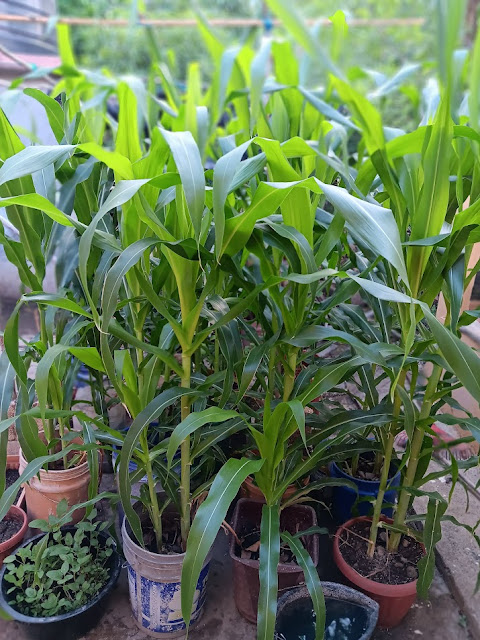

The Container Gardening System: Small-Space Salvation
Container gardening is ideal for renters, urban homeowners with paved yards, or anyone dealing with limited space. It allows you to transform concrete areas, balconies, verandah steps, and rooftops into productive green zones.
Sourcing Low-Cost Containers
5-Gallon Plastic Buckets: The king of container gardening. Ask local bakery shops or construction sites for empty icing or paint buckets. Wash them thoroughly with soap and warm water.
Fabric Grow Bags: Readily available online or at local farm stores. These breathable bags are excellent because they naturally "air-prune" plant roots, preventing them from wrapping around in circles and becoming root-bound.
Recycled Plastic Tubs & Barrels: Large 55-gallon blue shipping drums can be cut in half horizontally or vertically to create massive planter tubs suitable for growing deep-root provisions or small fruit trees.
The Golden Rules of Jamaican Container Success
1. Drill Drainage Holes Without Fail: Our torrential tropical downpours can turn a bucket without holes into a death trap within 20 minutes. Use a drill or a hot nail to create at least four to six 1/2-inch holes at the very bottom edge of every container.

2. Avoid Straight Yard Soil: If you scoop ordinary yard dirt into a container, daily watering will cause the clay particles to pack tightly together, transforming your soil into a hard, baked brick that suffocates plant roots. Use a lighter potting mix containing compost, river sand, and coco-coir (coconut husk fiber).
3. Establish a Strict Watering Schedule: Containers lack the insulation of the natural earth. In the heat of July and August, the plastic walls cook the soil, causing moisture to evaporate rapidly. Containers generally require watering every single morning before 8 AM. Avoid watering at night, as wet leaves sitting overnight invite destructive fungal diseases.

Masterclass Tips for Managing Your Jamaican Backyard Garden
To take your backyard farm from a casual hobby to a high-yielding success story, implement these advanced tropical management strategies.
1. Companion Planting & Organic Pest Control
Monoculture—planting a large bed of just one single crop—is an open invitation for pests. Instead, interplant your vegetables using the companion system:
The Insect Repellent Border: Plant bright yellow or orange Marigolds around the outer edges of your beds. The natural aroma of marigolds confuses and repels pests like aphids and whiteflies.
The Heavy-Light Duo: Plant deep-rooting carrots right next to shallow-rooting lettuces. They occupy entirely different layers of the soil and do not compete for space or nutrition.
Homemade Organic Insecticide Spray: If caterpillars or aphids attack your crops, avoid chemical sprays. Blend 2 heads of garlic, 2 hot Scotch Bonnet peppers, and 1 large onion in a quart of water. Strain out the pulp, add 1 tablespoon of biodegradable liquid dish soap (which helps the spray stick to slimy leaves), and spray the mixture onto your plant leaves once a week.
2. Mulch Like Your Garden's Life Depends On It
In Jamaica's intense midday sun, uncovered soil can quickly bake, killing off the beneficial soil microbes that feed your plants.
Always maintain a 2-to-3-inch layer of organic mulch over every inch of exposed soil in your raised beds and containers. Excellent local mulching materials include:
Dried grass clippings (ensure they haven't been sprayed with weedkiller).
Fallen leaves or crushed dried banana leaves.
Coconut coir or shredded coconut husks.
Mulching acts like an insulating blanket: it keeps the soil cool, cuts your watering needs in half by blocking evaporation, and smothers weed seeds before they can sprout and steal nutrients.
3. Connecting with Local Farming Networks
Backyard gardening is easier when you tap into local institutional knowledge. Lean on the resources provided by the Rural Agricultural Development Authority (RADA). They offer localized planting calendars tailored to different parishes, provide low-cost high-quality seeds, and host community training clinics designed to help small-scale growers identify and combat plant diseases.
Your Next Steps to a Bounteous Yard
A thriving kitchen garden doesn't require a green thumb; it simply requires a clear plan.
This Weekend: Source three 5-gallon buckets or stack a rectangle of concrete blocks to build your first growing zone.
Next Week: Start small by planting short-term staples like callaloo and pak choi for an easy win within a month.
Next Month: Introduce your medium-term tomatoes and long-term ground provisions to complete your multi-tiered continuous harvest pipeline.
Until next time — keep your hands in the soil, your heart light, and let joy grow .
With love from Hopey’s Garden


Comments