Bromeliad Care Guide: How to Grow Nature's Air Plants

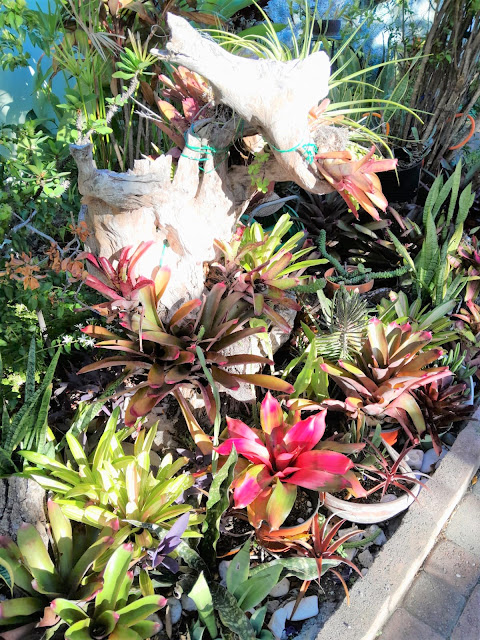
The Ultimate Bromeliad Care Guide: How to Grow Nature's Tropical Showstoppers
Looking for a plant that instantly transforms your living space into a luxurious tropical retreat? Bromeliads are nature’s ultimate showstoppers—bold, colorful, structurally architectural, and surprisingly easy to care for. Whether you’re tending an outdoor balcony garden, brightening up a dim living room corner, or experimenting with creative mounted displays, these plants bring pure joy and artistic flair wherever they grow.
In This Guide
The Rich Tropical Legacy of Bromeliads
What Makes Bromeliads Botanically Special
Meet the Stars of the Family (Comparison Table)
The Golden Rules of Bromeliad Care
Propagation: Separating the "Pups"
Creative Display Ideas & Troubleshooting
A Tropical Legacy
Native primarily to the warm, tropical regions of the Americas, bromeliads (Bromeliaceae) have been cherished for centuries. From the commercial pineapple (Ananas comosus)—a delicious bromeliad you’ve undoubtedly eaten—to the dazzling ornamental varieties we grow today, indigenous peoples used these plants for food, strong textiles, and traditional medicine long before they ever became popular houseplants. Today, they are treasured worldwide for their legendary resilience and alien-like exotic beauty.
What Makes Bromeliads Botanically Special?
Unlike standard garden plants, bromeliads possess unique evolutionary traits that allow them to survive in challenging environments:
The Central Tank: Most varieties grow in a tight, circular rosette of leaves that forms a natural central cup or "tank" designed to collect and store rainwater and falling debris.
The Epiphytic Lifestyle: In the wild, many bromeliads are epiphytes (air plants). They don't grow in the dirt; instead, they use their roots simply to anchor themselves firmly onto tree branches, rocks, or cliff faces, absorbing moisture and food entirely through specialized scales on their leaves.
Exotic Foliage & Long Blooms: They boast striking leaves adorned with stripes, spots, or solid neon colors. Their inflorescences (bloom spikes) are incredibly long-lasting, often holding their brilliant colors for months at a time.
Meet the Stars of the Bromeliad Family
To help you design your collection, here is a scannable breakdown of the most popular varieties:
Variety Name | Visual Style | Best Growing Environment |
Guzmania  | Striking, bright, star-shaped flower spikes in neon reds, oranges, and yellows. | Excellent choice for low-light indoor rooms and offices. |
Aechmea 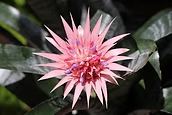 | Wide, silvery-green powdered leaves with giant, long-lasting pink bracts and blue blooms. | Thrives in bright, indirect light on sheltered patios or balconies. |
Neoregelia  | Flat, low rosettes with leaves that vividly "blush" brilliant purple or red in the center when blooming. | Loves bright filtered sun; fantastic as an outdoor tropical groundcover. |
Tillandsia | True rootless "Air Plants" with fuzzy, silvery trichomes that capture humidity from the air. | Completely soil-free; perfect for creative mounting or hanging glass globes. |
Vriesea | Striking, flat, sword-shaped flower spikes often accompanied by highly variegated or patterned leaves. | Prefers warm, humid, shaded environments with consistent moisture. |
The Golden Rules of Bromeliad Care
Keeping your bromeliads thriving year-round comes down to mimicking their natural rainforest canopy environment:
Light Requirement: They prefer bright, indirect sunlight when grown indoors. If placed outdoors on a patio, give them dappled shade. Direct, blazing midday sun will quickly scorch and bleach their colorful leaves.
The Watering Trick: For tank-forming varieties (Guzmania, Aechmea, Neoregelia), pour water directly into the central leaf cup rather than onto the soil. Flush the cup out with fresh water once a week to prevent the water from stagnating and attracting mosquitoes. Keep the surrounding potting soil only lightly damp. For Tillandsia air plants, simply mist them heavily or soak them in a bowl of water for 20 minutes once a week.
Soil and Potting Medium: Because their roots are primarily used for anchoring rather than drinking, heavy soil will suffocate them. Use an ultra-airy, loose potting mix composed of 50% orchid bark, perlite, and peat moss.
Gentle Feeding: Bromeliads are light feeders. If you want to boost their growth, spray a highly diluted liquid fertilizer (at 1/4 strength) directly onto the leaves and into the soil once a month during the active growing season
Propagation: The Joy of Pups
A standard bromeliad will only flower once in its lifetime. After the magnificent bloom finally fades, the main mother plant will slowly decline over several months. However, before she goes, she will gift you a new generation by producing miniature clones called "pups" around her base.
[ Dead Mother Flower ]
\ /
| |
( ) ( )
/ \
[ Pup 1 ] [ Pup 2 ] <-- Wait until they are 1/3 the size of Mom to cut!
1. Let Them Grow: Leave the pups attached to the mother plant until they are at least one-third to one-half the size of the parent.
2. The Clean Cut: Use a sharp, sterilized knife to slice the pup away from the mother plant, ensuring you retain a few small roots at the base of the pup if possible.
3. Pot Them Up: Plant the young pup into a small, well-draining container with an airy orchid bark mix. Keep the center cup lightly wet, and watch a brand-new tropical showstopper emerge!
Troubleshooting Common Issues
Brown, Crispy Leaf Tips: This usually indicates low humidity or a sensitivity to harsh chemicals in your tap water. Switch to using rainwater or distilled water to fill their cups.
Mushy, Rotting Base: A clear sign of overwatering the soil or using a mix that traps too much water. Hold off on watering the soil and ensure the pot drains instantly.
The Plant Won't Bloom: Bromeliads move at their own pace. Ensure it is receiving adequate bright, indirect light, and be patient—your patience will eventually be rewarded with a spectacular flower spike.
Reader Questions About Bromeliads
Even after learning the basics, gardeners often have practical questions about caring for bromeliads in everyday settings. To make this guide more useful, here are answers to some of the most common concerns people share when growing these vibrant plants.
Q: Do bromeliads need direct sunlight?
A: Most bromeliads prefer bright, indirect light. Direct sun can scorch their leaves, while too little light may dull their colors. A spot near a window with filtered light works best.
Q: How often should I water my bromeliad?
A: Keep the central “cup” (the rosette) filled with fresh water, and flush it weekly to prevent stagnation. The soil should be lightly moist but never soggy.
Q: Can bromeliads grow outdoors in Jamaica?
A: Yes! They thrive in warm, humid climates. Outdoors, they can be mounted on trees or placed in shaded garden spots where rainwater naturally collects in their cups.
Q: Why is my bromeliad turning brown at the tips?
A: Browning tips often signal low humidity, over‑fertilization, or water quality issues. Try misting the plant, reducing fertilizer, or using rainwater instead of tap water.
Q: Do bromeliads bloom more than once?
A: Each bromeliad plant blooms only once, but after flowering it produces “pups” (baby plants) at the base. These pups can be separated and grown into new bromeliads.
Q: How do I encourage pups to grow?
A: Leave the pups attached until they’re at least one‑third the size of the mother plant. Then gently separate them and pot them in a similar mix. Patience is key — they’ll eventually mature and bloom.
Q: Are bromeliads safe around pets?
A: Yes, bromeliads are non‑toxic to cats and dogs, making them a safe choice for pet‑friendly homes.
Closing Thoughts
Bromeliads are more than just simple house decoration—they are true conversation pieces, instant mood lifters, and beautiful living symbols of pure structural resilience. They bring a distinct touch of the extraordinary to our everyday lives.
Until next time — keep your hands in the soil, your heart light, and let joy grow.
With love from Hopey’s Garden.

Comments