Garden Journal: Saving a Chopped Papaya Tree + Growing Tips

Updated: 16 hours ago
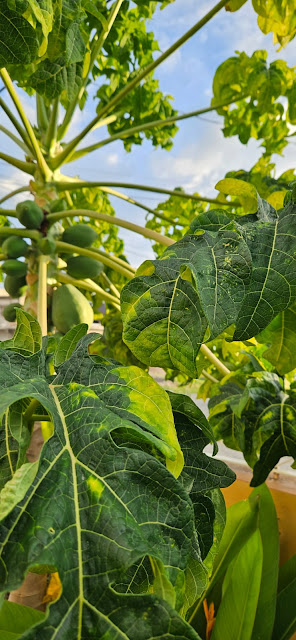
The Second-Chance Papaya Tree: From a Near-Fatal Chop to a Sweet Harvest
Sometimes the garden surprises us in ways we never expect. My papaya tree wasn’t originally planted with serious intention—it simply sprouted from a handful of kitchen seeds I tossed at the roots of my bird of paradise plant after enjoying some delicious market papayas. For months it grew remarkably tall and flowered beautifully, but it just never set any fruit. My husband became utterly convinced it was a sterile “wild papaya” and one afternoon, while I was away, he took a machete and cut off the top half of the trunk, planning to remove it completely!
But I just wasn’t ready to give up on it yet. I dug shallow trenches around the roots, buried rich organic food scraps and crushed eggshells, and watered it faithfully every single day. Soon enough, tiny new shoots appeared along the cut cane. The branches grew vigorously, and the tree rose again—taller, stronger, and far more majestic than it had been before.
This papaya tree has been through its fair share of setbacks—tropical storms, pesky pests, and even a near-fatal collapse—but it keeps finding its way back. Watching it push out new leaves feels like a triumphant reminder that resilience is written directly into its nature.
I learned firsthand that papayas respond incredibly fast to targeted care adjustments. A little precise pruning to remove damaged growth, a steady watering routine, and heavily replenished soil gave it the exact energetic boost it needed to succeed. The great lesson here is that even fragile-looking plants can bounce back spectacularly if you just give them a fair chance.
Papaya is an absolute staple in Jamaican kitchens. We love it green for throwing into a savory curry or a hearty soup, and we love it perfectly ripe in our morning breakfast fruit bowls. Seeing my own tree make such a dramatic recovery reminds me of all those wonderful island flavors waiting in the future. It makes me smile to think of turning this backyard comeback into a delicious home-cooked meal one day.
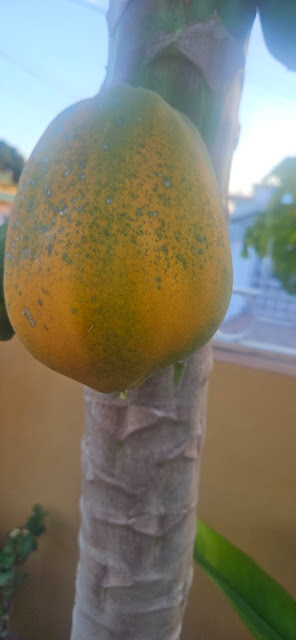
From Blossom to Fruit: Patience is Rewarded
Today, that exact same tree is absolutely laden with beautiful fruits. The very first one ripened recently, and oh, what an unbelievable reward it was! It turned out sweet, seedless, and absolutely delicious. It is living proof that sometimes, saving what looks completely lost can bring the sweetest harvest of all.
The Papaya Tree Q&A Corner
Q: Why do you call it a “second chance” papaya tree?
A: Papayas possess an incredible ability to bounce back from severe physiological setbacks—whether it’s transplant shock, heavy pest damage, or poor storm weather. With proper soil care, they can recover and thrive again, making each new flush of green growth feel like a beautiful second chance.
Q: How fast does a papaya tree grow from seed?
A: In our warm tropical climate here in Jamaica, papayas shoot up like weeds! They grow with remarkable speed and can often start bearing heavy fruit within 6 to 12 months from the day they first sprout.
Q: What exact growing conditions do papayas need?
A: They absolutely crave full, blazing sun, warm temperatures, and exceptionally well-draining soil. Consistent watering helps them grow plump fruit, but stagnant, soggy roots will rot them out completely.
Q: How do I tell if my papaya tree is male, female, or a hermaphrodite?
A: Male trees produce only long, hanging clusters of flowers without fruit. Female trees produce flowers close to the trunk that require cross-pollination to fruit. Hermaphrodite trees feature flowers that contain both male and female parts, allowing them to self-pollinate easily. Observing the flower attachment points is the easiest way to identify them.
Q: Can papayas be successfully grown in containers?
A: Yes, though they will always prefer the open ground. If you are growing one in a pot on a balcony, you must use a very large, deep container filled with rich organic soil, offer regular heavy feedings, and ensure there is plenty of space for the roots to spread.
Q: What are the most common challenges when growing papayas?
A: Watch out for root rot caused by overwatering, sudden pest attacks from sap-sucking whiteflies or aphids, and a general sensitivity to unexpected cold snaps. Regular leaf monitoring helps you catch these problems early.
Q: How long does a healthy papaya tree live?
A: Papayas are relatively short-lived compared to other tropical fruit trees. They are usually at their peak productivity for about 3 to 5 years. Because of this, it's smart to practice staggered planting so you always have a younger tree ready to take over the supply!
Closing Reflection
Watching this resilient papaya tree continuously push out fresh growth feels like a quiet, beautiful reminder that the garden always offers us second chances. What looked completely lost and ruined found its way back, stretching up toward the tropical sun with a fresh sense of determination.
In every single garden setback, there is always the hidden possibility of renewal—whether that's inside our plants or deep within ourselves. This papaya’s grand revival is living proof that a little patience and love can turn a moment of disappointment into beautiful hope.
Have you ever had a plant completely surprise you with an unexpected comeback? Share your stories with me in the comments below—I would love to hear how resilience shows up in your own garden space!
Until next time — keep your hands in the soil, your heart light, and let joy grow.
With love from Hopey’s Garden.

Comments