How to Grow Lettuce in Pots: Complete Tropical Guide

Updated: 15 hours ago

Growing Crisp Lettuce in Pots: The Tropical Guide to Heat Resilience
Lettuce may seem like a cool-weather crop, but here in warm and tropical gardens, it becomes a beautiful test of patience, creativity, and resilience. Growing lettuce in the tropics is not just about producing salad greens—it is about proving that even delicate leaves can thrive under the sun’s intensity when given the right care and timing.
Quick Facts to Know Before You Sow
The Clock: Lettuce is a incredibly fast-growing leafy vegetable, often ready for your salad bowl within 30 to 60 days.
The Tropical Challenge: In hot climates, lettuce requires careful timing and selection of heat-resistant varieties to avoid "bolting" (premature flowering that causes the sap to turn milky and bitter).
The Root Zone: Lettuce is shallow-rooted, meaning soil moisture and surface fertility directly dictate your success.
The Varieties: Looseleaf and Romaine types tend to adapt much better to our heat than thick Crisphead (Iceberg) varieties, which demand cooler nights than we usually get.

Choosing Your Heat-Tolerant Cultivars
When the sun blazes, choosing the right companion varieties is like inviting hardy friends to the garden party—companions who thrive where others falter. Look out for these seeds at your farm store:
‘Jericho’ Romaine: Stands tall, crisp, and structured, with a deep flavor that holds its own in hearty dishes. Highly resistant to tropical heat.
‘Muir’ Looseleaf: Spreads wide with tender, light-green leaves that hold their crispness and resist bolting even when temperatures climb.
‘Buttercrunch’ Butterhead: Curls softly like a cup of green butter. It remains delicate yet rich and is incredibly slow to bolt.
The Tropical Planting Calendar & Rhythm
Timing is the secret heartbeat of lettuce in warm gardens. The tropical sun rises fierce and fast, and lettuce must learn to dance with it. Plant too early in the summer heat, and seedlings wilt before they know themselves.
The Golden Window: In Jamaica and similar Caribbean climates, your highest success peaks in the cooler months from November to February.
The Succession Trick: Instead of planting a whole packet of seeds at once, practice succession planting—sowing a small, fresh batch every two weeks. This ensures a steady, manageable supply without overwhelming your pots or your kitchen.
Soil Preparation & Container Setups
Healthy lettuce begins in soil that breathes. Because lettuce roots are shallow, they crave consistent moisture and organic nutrients right close to the surface.
The Mix: Use a loose, well-drained potting soil heavily enriched with organic compost or leaf mold. Mixing organic matter not only feeds the roots but naturally keeps the container soil cool under the afternoon sun.
Container Width: Choose pots that are wide and shallow rather than deep. Ensure your containers have open drainage holes and are elevated on bricks to maximize airflow.
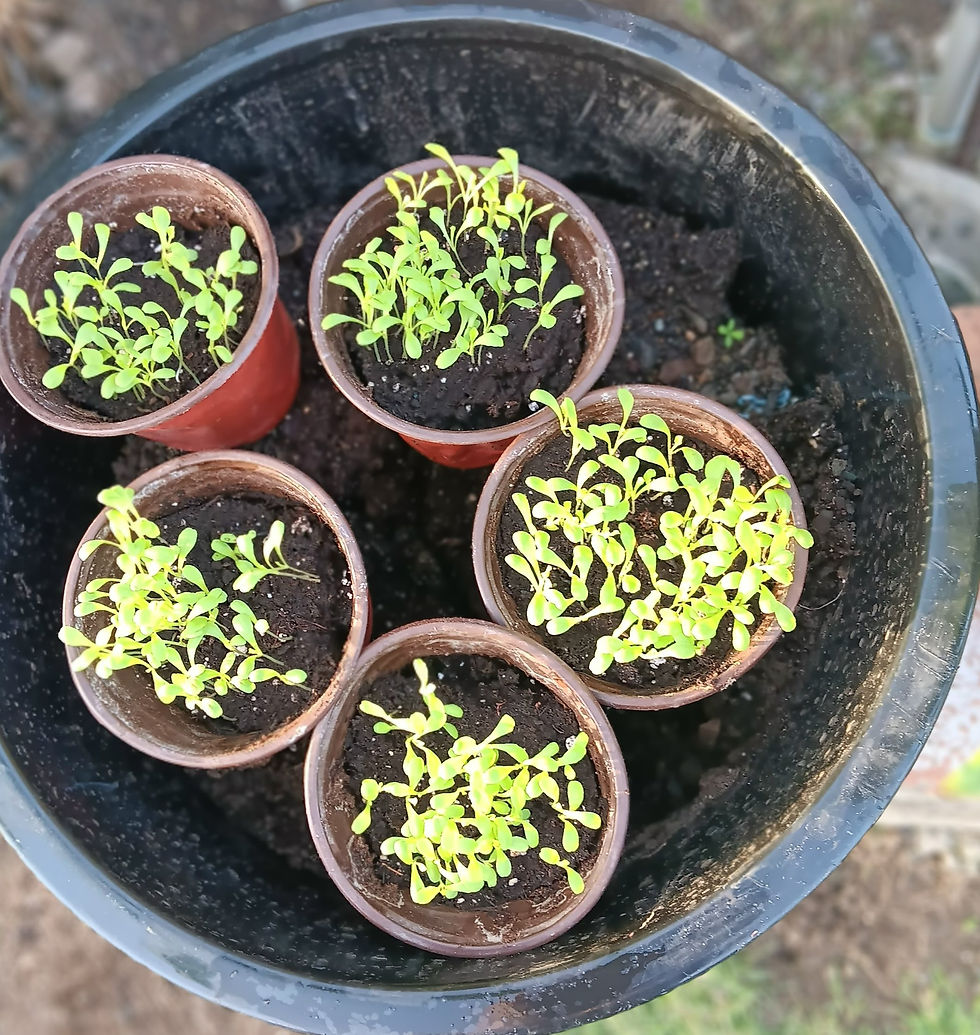
Sowing, Germination & Seedling Care
Sowing Depth: Sow your seeds very shallowly—about ¼ inch deep into moist soil.
Germination Room: Seeds will sprout in 3 to 7 days. A shaded balcony corner, veranda edge, or carport works best to shield the emerging sprouts from scorching midday rays.
Transplanting: Move your young seedlings into their final pots when they display 2 to 3 true leaves. Always transplant in the cool of the evening or on a cloudy day to protect them from transplant shock.
Tropical Troubleshooting: Problems & Solutions
Managing humidity and intense heat requires a gentle, steady routine. Use this stacked checklist to keep your leaves pristine:
The Problem: Premature Bolting & Bitter Leaves
The Fix: Extreme midday heat makes lettuce panic and shoot up a central flower stalk. Give your containers morning sun but total afternoon relief. Use light shade cloths or reposition your pots to catch shade from 11:00 AM onward.
The Problem: Rapid Evaporation & Wilting
The Fix: Potted soil dries out rapidly in our climate. Think of watering as a daily ritual: light, consistent moisture in the early morning and late evening keeps the roots cool and the leaves tender. Avoid flooding—lettuce loves balance, not extremes.
The Problem: Aphids and Slugs
The Fix: Aphids cluster like thieves on tender new leaf growth. Inspect your pots daily. Rinse aphids away with a gentle spray of water from your hose, invite beneficial ladybugs to your patch, and space your containers apart so air flows freely to prevent fungal diseases.
The Problem: Pale, Weak, or Floppy Growth
The Fix: This is a sign of nutrient deficiency or over-feeding with heavy chemical nitrogen. Keep your feeding gentle. Apply liquid compost tea or highly diluted fish emulsion every 2 weeks to offer nourishment without excess.
Harvesting Your Homegrown Greenery
The true reward of lettuce is in the harvest—crisp, plump leaves gathered in the cool of morning while they are still full of overnight moisture.
The Cut-and-Come-Again Method: For looseleaf varieties, simply snip the mature outer leaves. The center crown will keep growing and producing new salads for weeks.
The Whole Head Method: For Romaine and Butterhead, you can harvest individual leaves or cut the entire head at the base when it reaches maturity.
Storage: Plunge your harvested leaves into cool water, shake dry, and place them into quick refrigeration to extend their shelf life. Nothing compares to the taste of lettuce eaten fresh from the soil!
Frequently Asked Gardening Questions
Can lettuce really grow in hot climates year-round?
Yes, but it is a dance with variety selection. Sticking to heat-tolerant types like 'Jericho' or 'Muir' and providing afternoon shade makes it entirely possible.
Why are my lettuce leaves turning yellow?
This is usually a sign of overwatering, stagnant drainage, or a lack of light nutrients. Check your pot drainage and refresh with a light compost tea drench.
How many lettuce plants should I grow in a single container?
Thin your seedlings so they sit about 6 to 8 inches apart. Overcrowding forces them to compete for surface nutrients, leading to weak, spindly growth.
Closing Thoughts
Growing lettuce in warm and tropical gardens is not a checklist of tasks—it is a journey. From soil preparation to harvest, each step is a conversation with our climate, soil, and plant. The gardener learns patience, timing, and balance, discovering that even delicate crops can thrive under the sun’s intensity. Lettuce becomes more than food; it becomes a symbol of resilience, a green promise that with care, even the tropics can yield crisp, tender leaves.
In Hopey’s Garden, every harvest is a story, and lettuce is one of the sweetest chapters.
Until next time — keep your hands in the soil, your heart light, and let joy grow.
With love from Hopey’s Garden


Comments