How to Grow Kale in Pots: Complete Tropical Guide

Updated: 15 hours ago

Kale in Containers: A Tropical Guide from Garden to Glass
Kale is more than just a trendy green—it’s one of the most nutrient-packed vegetables you can grow right on your veranda or patio pots. A single cup of raw kale delivers more than your daily needs of vitamin K, along with generous amounts of vitamin A, vitamin C, calcium, potassium, and magnesium. It’s also rich in beta-carotene, lutein, and zeaxanthin—antioxidants that support eye health and help fight inflammation. With its high fiber content, kale aids digestion, supports heart health, and can even help manage cholesterol levels.
What makes kale especially exciting for small-space gardeners is its diversity. From curly kale’s frilly leaves to lacinato’s deep blue-green blades, each variety brings its own flavor and texture. Some are tender and sweet—perfect for salads and smoothies—while others are robust and earthy, ideal for soups and stews. In Jamaica, kale has found its way into ital dishes, hearty soups, and quick sautés, proving that this versatile green adapts beautifully to our island kitchen traditions.
From Garden to Glass: Kale & Cucumber Juice
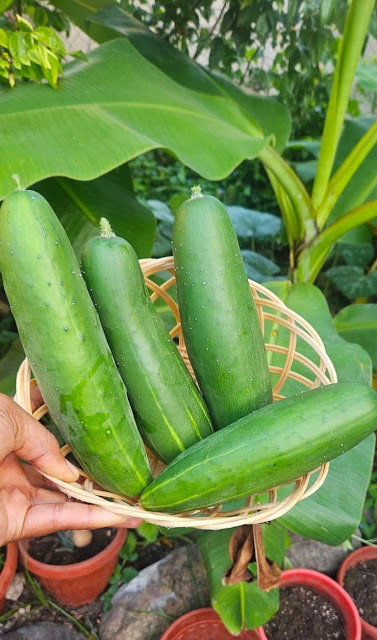
One of the simplest ways to bring those fresh greens straight into your glass is a homegrown kale and cucumber blend. Crisp, hydrating cucumbers pair beautifully with nutrient-rich kale, creating a drink that’s refreshing and full of vitamins. A squeeze of local orange adds brightness and balances the earthy flavors naturally.
Benefits of the Blend
Rich in Vitamins: Kale delivers vitamins K, A, and C, while cucumbers add crucial hydration and minerals like potassium.
Hydrating & Refreshing: Cucumbers are 95% water, making this juice the perfect way to cool down after working in the morning sun.
Boosts Digestion: The fiber in kale supports gut health, while cucumber’s natural enzymes aid smooth digestion.
Supports Immunity: Antioxidants from kale (like lutein and beta-carotene) help strengthen your body’s natural defenses.

Quick Recipe
Ingredients
- 2 cups fresh kale leaves (washed and chopped)
- 1 large cucumber (peeled if preferred)
- 1 cup orange juice (store‑bought or freshly squeezed if you have plenty)
- 1 cup cold water (adjust for thickness)
- Optional: ginger to taste or a squeeze of lime
Steps
1. Add kale and cucumber to blender.
2. Pour in orange juice and water.
3. Blend until smooth.
4. Taste — add more juice if you want it sweeter, or more water if too thick.
5. Strain for a lighter texture or enjoy as-is.
6. Serve chilled!

What Works for Kale in Pots (Warm & Tropical Adjustments)
Kale (Brassica oleracea var. sabellica) is naturally a hardy biennial often grown in cooler climates where frost sweetens its flavor. However, you do not need a winter season to succeed! In Jamaica, kale will thrive as a productive annual if you use these exact container strategies to manage the tropical heat.
Heat Management & Shading
The Reality: High midday temperatures can cause kale leaves to turn tough or bitter if left unprotected.
Hopey's Adjustment: Give your pots morning sun but total afternoon relief. Placing them where they receive shade from 11:00 AM onward works best.
The Container Advantage
The Reality: Ground soil can hold intense tropical heat and trap excess water during heavy downpours.
Hopey's Adjustment: Growing in 5-gallon buckets or grow bags allows you to move plants easily if a heavy storm or a heatwave threatens. It also keeps the root zones significantly cooler than bare ground.
Variety Selection
The Reality: Not all kale can handle our humidity.
Hopey's Adjustment: Stick to Curly Kale and Lacinato (Dinosaur Kale). These two varieties are incredibly resilient and tolerate our climate much better than broader-leaf types.
Watering & Mulching
The Reality: Potted soil evaporates moisture rapidly in the Caribbean breeze.
Hopey's Adjustment: Water deeply every morning at 6:00 AM. Always add a thick layer of local mulch (like clean, dry grass clippings) to the top of your bucket to keep the soil damp and trap moisture.
Organic Pest Defense
The Reality: Our tropical humidity creates a perfect breeding ground for aphids and caterpillars.
Hopey's Adjustment: Inspect the undersides of the leaves regularly. Spray your plants early in the evening with an organic Neem oil mix or hand-pick any caterpillars to keep them under control naturally.
The Continuous Harvest Rhythm
The Reality: Waiting for a single "full head" harvest puts the plant at risk of heat stress before you ever eat it.
Hopey's Adjustment: Harvest the outer leaves regularly as they mature. This keeps the central growing tip active, pushing out new growth and keeping your pots producing for months.
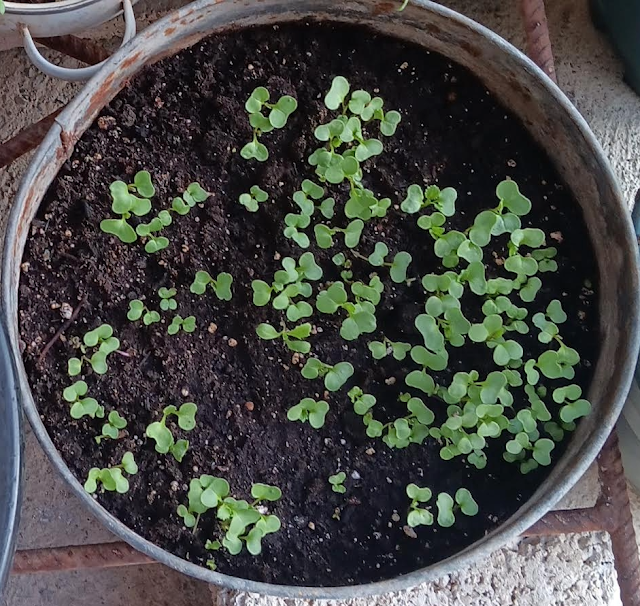
Sowing & Germination Guide
Early mornings or late afternoons are ideal for sowing seeds to keep them from overheating.
Soil Preparation: Use a rich, well-drained potting mix. Adding organic compost improves fertility and moisture retention. Kale appreciates a slightly acidic soil pH (6.0–6.5).
How to Sow: Sow seeds about ½ inch deep in small pots or seed trays. Keep the soil evenly moist but never waterlogged. Cover lightly with soil and mist gently.
Germination Room: Seeds usually sprout in 5–10 days. If conditions are too hot, germination may slow down. A shaded porch, veranda corner, or carport works best to shield them.
Spacing: Once seedlings sprout and grow strong, thin them to 6–8 inches apart if growing multiple babies together. Crowded seedlings compete for nutrients and light, leading to weak plants.

Step-by-Step Seedling Care
Watering: Use a spray bottle or a very gentle watering can to keep the soil damp without disturbing or washing away the delicate young roots.
Light: Place your trays in bright, indirect light. If you notice your seedlings stretching tall, thin, and floppy, they are crying out for more light.
Thinning: Be brave! Remove weaker seedlings early to give the strongest ones the space they need.
Damping-Off Prevention: Avoid overwatering and ensure good airflow around your trays. Seedlings that grow strong and compact at this stage will transplant beautifully.
Transplanting Into Large Pots
Once your seedlings have 2–4 true leaves, they are ready to move out into their final, large containers.
Prep the Baby: Water the seedlings well right before transplanting to reduce root shock.
Handle with Care: Always lift the seedling gently by its sturdy leaves, never by the fragile stem.
The New Home: Place each plant into a container that is at least 12 inches deep filled with your fresh potting mix and sharp sand blend.
Secure the Crown: Firm the soil gently around the roots and water immediately. Avoid planting too deep—keep the growing crown above the soil level so it doesn't rot.
Hopey's Local Tip: Always transplant in the evening or on a cloudy day to protect the roots from severe heat stress!
Fertilizer & Feeding Routine
Kale is a heavy leaf producer, which means it thrives on steady nutrition—especially nitrogen. Because nutrients wash out of container pots quickly during daily waterings, light, regular feeding works significantly better than heavy, massive doses.
At Planting: Mix plenty of rich compost or well-rotted manure directly into the container soil to set a strong, organic foundation.
Early Growth (2–4 weeks later): Apply a balanced organic fertilizer (like a 4-4-4 blend) to support root establishment and steady blade growth.
During Harvest Season: Kale benefits from extra nitrogen to keep the leaves sweet and tender. Rotate between these organic sources every 2–3 weeks:
Compost Tea: Apply as a soil drench or spray directly onto the leaves as a foliar feed.
Fish Emulsion: Dilute with water according to the bottle instructions and water deeply at the base.
Blood Meal: Mix very sparingly into the top inch of the container soil.
Warning: Avoid overfeeding! Too much nitrogen makes the leaves lush but weak, turning your pot into an absolute magnet for aphids.
Signs Your Kale is Hungry:
The lower leaves look pale or turn yellow despite proper watering.
Growth completely stalls out during prime sunny weather.
New leaves are significantly smaller than usual.
Tropical Pest & Disease Management
Even container gardens on a veranda face pest pressures. Catching issues early is the absolute key to saving your harvest.
Aphids: Small green or black sap-sucking insects that cluster on the undersides of leaves. Spray thoroughly with a mild soap solution or your organic Neem oil shield.
Caterpillars: The classic leaf-chewers. Handpick them off the plant in the morning, or cover your pots with light garden mesh netting to keep the butterflies from laying eggs.
Flea Beetles: Tiny, jumping beetles that leave millions of buckshot holes in leaves. Use mesh covers until the plants are mature and tough enough to resist them.
Whiteflies: Shake your kale leaves gently—if tiny white insects fly up, spray the undersides of the leaves with Neem oil immediately.
Harvesting Your Homegrown Superfood
Kale is a classic "cut-and-come-again" crop. This means you can harvest individual leaves for dinner while the plant continues to grow and produce for months!
Begin harvesting when the outer leaves reach 6–8 inches long.
Always pick the lowest, outer leaves first, leaving the center growing tip completely intact.
Harvest regularly! The more outer leaves you snap off, the more new leaves the center will push out.

Tropical Troubleshooting: Quick Problems & Solutions
Growing kale in our heat can throw a few curveballs. If your pots are struggling, use this quick checklist to fix the problem instantly:
The Problem: Heat Stress (Wilting or Bitter Leaves)
The Fix: Move your buckets into partial shade (morning sun only). Mulch the soil heavily with dry grass clippings to keep root zones cool, and never skip your 6:00 AM watering.
The Problem: Tropical Pests (Caterpillars, Aphids, Whiteflies)
The Fix: Inspect the undersides of leaves daily. Hand-pick caterpillars, spray with your organic Neem oil/soap mix early in the evening, and use fine mesh netting over young plants.
The Problem: Leaf Yellowing
The Fix: This is a classic sign of waterlogging or nitrogen deficiency. Ensure your containers are elevated on bricks so they drain freely, and feed the base with compost tea or liquid fish emulsion.
The Problem: Powdery Mildew (White Coating on Leaves)
The Fix: High tropical humidity traps moisture. Space your buckets further apart to maximize breezy airflow, prune away crowded lower leaves, and spray with Neem oil.
The Problem: Slow Growth During Heavy Rains
The Fix: Continuous downpours leach essential nutrients right out of container soil. Keep your buckets elevated to improve drainage and top-dress the soil with a fresh handful of rich compost after prolonged rain weeks.
The Problem: Bolting (Premature Flowering)
The Fix: Extreme heat signals the plant to shoot up a yellow flower stalk, reducing leaf quality. Harvest your outer leaves aggressively to delay this. If it completely flowers, pull it and start fresh with a new seedling!
Kitchen Connection & Quick Recipe Ideas
Kale’s robust texture means it holds up beautifully in traditional island cooking. It fits perfectly into local stews, soups, or quick sautés with onions and garlic. Here are three quick ways to enjoy your harvest:
The Quick Sauté: Sauté chopped kale leaves with fresh garlic, coconut oil, and a squeeze of lime juice.
The Hearty Saturday Pot: Drop fresh kale ribbons into a rich pumpkin, yellow yam, and pimento soup during the last 10 minutes of cooking.
The Tropical Smoothie Boost: Blend raw curly kale with sweet local pineapple, frozen banana, and a spicy kick of grated ginger.
Frequently Asked Gardening Questions
How long does kale take to grow from seed to harvest?
About 60 days to reach a full size, but you can start snipping tender outer leaves much earlier.
Can kale grow in partial shade?
Yes! In hot climates, afternoon shade is actually preferred to prevent wilting and bitterness.
How do I keep my container kale producing longer?
Always harvest the lowest outer leaves first and leave at least 4–5 core leaves at the center top so the plant keeps growing.
How many plants should I grow?
Growing 3–4 plants in separate 12-inch pots will easily supply a small household with a steady stream of fresh greens.
Can kale survive heavy tropical rain?
Yes, as long as your containers are elevated on bricks and have plenty of open drainage holes to prevent root rot
Closing
Kale is more than a trendy vegetable—it’s a resilient, rewarding crop that fits perfectly into small space gardening. From seed to harvest, it teaches patience and consistency, while offering a steady supply of nutritious leaves. With careful seedling care, mindful transplanting, pest management, and regular harvesting, you’ll enjoy months of fresh kale right outside your door.
Until next time - keep your hands in the soil, your heart light, and let joy grow.
With love from Hopey’s Garden


Comments