Growing Tomatoes: In-Ground vs. Container Gardening – Which is Best for You?

Updated: 15 hours ago

Tomatoes are one of the most rewarding crops for home gardeners. They’re versatile, delicious, and relatively easy to grow. But when it comes to planting, you have two main options: planting directly in the ground or growing in containers. Each method has its own unique benefits and challenges. The right choice for you ultimately depends on your available space, lifestyle, and overall gardening goals.
In this comprehensive guide, we’ll compare both approaches side-by-side and give you the practical tips you need to succeed with either method.
Why Tomatoes Are a Great Choice
Tomatoes thrive in warm weather and love sunlight, making them perfect for backyard gardens or sunny patios. They’re also highly adaptable, which means you can grow them successfully in traditional garden beds or in pots—even if you have very limited outdoor space.
Option 1: Growing Tomatoes in the Ground
If you have a spacious garden or yard, planting tomatoes directly in the earth can give you incredibly robust plants and massive yields.
Advantages
More Root Space: Plants can spread their roots deeply and freely, leading to stronger top growth.
Better Moisture Retention: Large volumes of natural garden soil hold water much longer than potting mixes.
Less Frequent Watering: Because the soil doesn't dry out as fast, your watering schedule is more relaxed.
Natural Soil Ecosystem: Beneficial native microbes, earthworms, and organic matter automatically improve plant health.
Steps to Grow Tomatoes in the Ground
Choose a Sunny Spot: Tomatoes absolutely need at least 6–8 hours of direct sunlight daily.
Prepare the Soil: Use loamy, well-drained soil enriched heavily with organic compost or aged manure.
Spacing: Plant your seedlings 18–24 inches apart to ensure great airflow and prevent fungal spread.
Watering: Deep watering 1–2 times per week is ideal for encouraging deep root systems.
Support: Set up heavy-duty stakes or cages immediately at planting to keep plants upright.
Mulching: Apply a thick layer of mulch to retain soil moisture and naturally suppress competing weeds.
Recommended Tools for In-Ground Success
Heavy-Duty Tomato Cages: Tall, galvanized steel support systems designed to hold the weight of massive, indeterminate tomato vines without collapsing.
Organic Shredded Straw Mulch: Clean, seed-free straw that keeps soil damp, prevents water evaporation, and stops mud from splashing disease onto lower leaves.
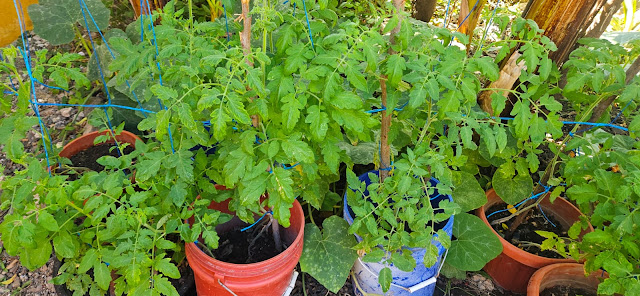
Option 2: Growing Tomatoes in Containers
No garden? No problem! Container gardening is a magnificent solution for patios, apartment balconies, or homes with limited yard space. As the saying goes: "Clustered green gems thriving in their pots are proof that even small spaces can hold big harvest dreams."
Advantages
Space-Saving: Ideal for urban gardeners, renters, or those with paved outdoor areas.
Mobility: You can easily move your pots to optimize changing sunlight patterns or protect plants from harsh storms.
Pest and Disease Control: It is significantly easier to manage and isolate soil-borne diseases and subterranean pests.
Steps to Grow Tomatoes in Containers
Choose Large Containers: Use a minimum of 5 gallons per plant to ensure there is healthy room for root growth.
Use Quality Potting Mix: Never use straight yard soil. Choose a lightweight, well-draining potting mix enhanced with compost.
Ensure Proper Drainage: Double-check that your chosen pots have open holes at the bottom to prevent waterlogging.
Watering: Containers dry out rapidly. Be prepared to water daily during hot, peak summer weather.
Fertilizing: Pots lose nutrients fast. Feed your plants every 2–3 weeks with a high-quality organic fertilizer.
Support: Add a sturdy stake or cage directly inside the pot right after planting for stability.
Top Products for Container Tomato Gardening
5-Gallon Fabric Grow Bags: Breathable fabric pots that prevent roots from circling, provide perfect drainage, and keep root zones cooler in the summer heat.
Organic Tomato & Vegetable Liquid Fertilizer: A targeted nutrient blend rich in phosphorus and potassium to encourage heavy flowering and abundant fruit set rather than just excess leaves.
Pruning Tips for Maximum Harvests
Pruning is essential for maintaining healthy plants and growing bigger, juicier tomatoes. Here’s how to do it right:
Start Early: Begin your pruning routine when the plants reach about 12–18 inches tall.
Remove Suckers: These are the small shoots that grow in the "v-shaped" leaf axils between the main stem and branches. Removing them directs the plant's maximum energy toward fruit production.
Focus on Lower Leaves: Trim away any leaves touching or near the soil surface. This prevents fungal diseases from splashing up from the ground.
Don’t Over-Prune: Always leave enough upper foliage to act as a natural canopy, protecting your ripening fruits from sunscald.
Sanitize Tools: Always clean your pruning shears with rubbing alcohol between plants to avoid spreading viral or fungal diseases.
Prune Indeterminate Varieties More: Indeterminate types keep growing larger all season long and benefit immensely from regular structural pruning.
Preventing Blossom-End Rot
Blossom-end rot is a incredibly common tomato problem where the bottom of the fruit turns black, flat, and leathery. It is caused by a lack of calcium uptake. Here is how to prevent it:
Maintain Consistent Moisture: Irregular watering cycles dry out roots and cause a calcium imbalance. Water deeply and regularly.
Add Calcium to the Soil: Mix crushed eggshells, agricultural lime, or specialized tomato bone meal into the soil if your dirt is deficient.
Avoid Excess Nitrogen: Too much nitrogen fertilizer promotes rapid, runaway leafy growth at the absolute expense of calcium distribution.
Mulch Well: A steady layer of mulch keeps soil moisture perfectly even and prevents wide dry-to-wet fluctuations.
Check Soil pH: Tomatoes prefer a soil pH of 6.2–6.8 for optimal, smooth nutrient absorption.
Organic Pest Control Strategies
Tomatoes attract a variety of hungry garden pests, but you can easily keep them under control using completely natural methods:
Common Pests to Watch For: Aphids, whiteflies, spider mites, and large tomato hornworms.
Organic Neem Oil Spray: A safe, natural oil spray that is highly effective against soft-bodied insects like aphids and mites.
Companion Planting: Grow specific companion plants like basil, marigolds, garlic, and onions near your tomatoes. Basil improves fruit flavor while repelling flies; marigolds naturally deter destructive root nematodes and aphids.
Plants to Avoid: Keep your tomatoes away from potatoes (increases blight risk), corn (attracts corn earworm), and the cabbage family (competes heavily for the same nutrients).
Physical Hand-Picking: Inspect your plants regularly to hand-pick large pests like hornworms and safely remove any damaged leaves.
Common Tomato Mistakes to Avoid
Planting Too Early: Tomatoes hate cold soil. Wait until spring temperatures are consistently warm before transplanting.
Inconsistent Watering: Alternating between bone-dry and waterlogged soil stresses plants and causes fruit cracking.
Using Pint-Sized Containers: Restricted root space permanently stunts tomato growth and drastically cuts down your yield.
Skipping Fertilizer: Tomatoes are incredibly heavy feeders—never skip regular seasonal feeding.
Overcrowding: Planting too close together reduces vital airflow and invites destructive fungal blights.
Tomato Q&A: Quick Answers for Beginners
Q: Can I grow tomatoes indoors?
A: Yes! Mini-cherry and dwarf determinate varieties can do exceptionally well on a very sunny, south-facing windowsill or placed directly under full-spectrum LED grow lights. Just ensure they get adequate airflow.
Q: Do container tomatoes taste different from in-ground ones?
A: Not at all. A tomato's flavor profile depends entirely on its specific seed variety, the amount of daily sunlight it receives, and proper care—not on whether its roots are in a pot or a backyard bed.
Q: How often should I water container tomatoes?
A: Daily during the peak heat of summer, but always check the soil matrix first using the finger test. Your goal is constant, even moisture without creating stagnant waterlogging.
Q: What’s the easiest tomato for absolute beginners to grow?
A: Cherry tomatoes! They are incredibly forgiving, highly prolific, fast to ripen, and absolutely perfect for snacking straight off the vine.
Final Thoughts
Whether you have a massive backyard plot or a simple single fabric pot on a sunny apartment balcony, you can easily grow an abundant harvest of delicious home-grown tomatoes. Focus on consistent watering, strong structural support, and regular feeding, and your plants will reward you all season long.
Until next time—keep your hands in the soil, your heart light, and let joy grow.
With love from Hopey’s Garden


Comments