Growing Crispy Cucumbers in Jamaica: The Ultimate Small-Space Guide

Updated: 15 hours ago

Cucumbers (Cucumis sativus) are the ultimate tropical life-hack. Packed with 95% water, these natural coolers thrive in Jamaica’s warm sun and sprint from seed to harvest.
The best part? You do not need a massive backyard.
If you have a sunny verandah, patio, or balcony, you can easily grow lush, heavy-yielding vines in containers. Lightweight buckets and tubs let you move your plants out of heavy downpours, while vertical trellises keep your space neat and your harvest clean.
Quick Stats: Nutritional Powerhouse
Do not let their light taste fool you. Cucumbers pack a serious punch for your health:
· Deep Hydration: Replenishes vital fluids during hot island days.
· Gut Health: High fiber content (mostly in the skin) keeps digestion smooth.
· Bone Strength: Loaded with Vitamin K to assist calcium absorption.
· Heart Support: Rich in potassium to help naturally regulate blood pressure.
· Glow Factor: Packed with silica and antioxidants for radiant skin and hair.
Green lifestyle tip: They are naturally low in sugar and sodium, making them a perfect guilt-free snack.
The Perfect Growing Blueprint
To get crisp, bitter-free cucumbers, aim for these ideal tropical conditions:
Sun & Heat
· Light: Full sun (6 to 8 hours daily).
· Temperature: 70–85°F (21–29°C).
Soil & Moisture
· Soil Type: Rich, well-draining loam packed with compost.
· Soil pH: 6.0 to 7.0 (slightly acidic to neutral).
· Drainage: Critical! Container holes must drain fast to prevent root rot during heavy tropical downpours.

Choose Your Variety
Pick the cucumber that best fits your kitchen style:
1. Slicing Cucumbers
· The Vibe: Thick-skinned, dark green, and incredibly crisp.
· Best For: Tossing into fresh backyard salads or eating raw with a pinch of salt.
2. Pickling Cucumbers
· The Vibe: Stout, bumpy, and thin-skinned.
· Best For: Preserving, quick-pickling, and long-term storage.
3. Burpless / Seedless Cucumbers
· The Vibe: Sweet, mild, and nearly seedless.
· Best For: Easy digestion and snacking straight off the vine.
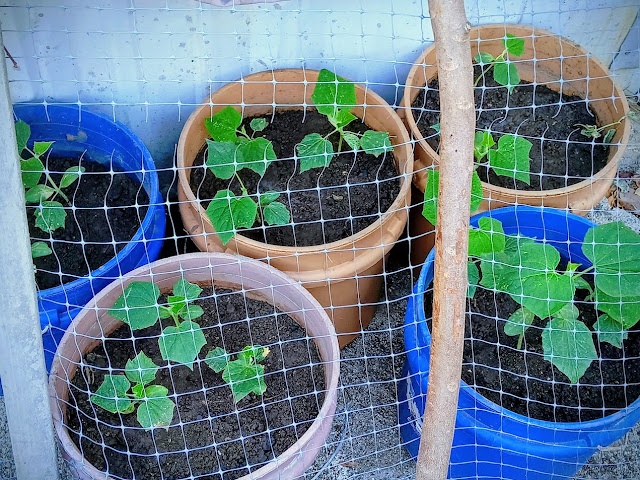
Step-by-Step 5-Gallon Bucket Setup
Growing cucumbers in a 5-gallon bucket is the best way to control soil quality and keep your vines safe from heavy tropical downpours.
1. Drill Drainage Holes
· Action: Drill 4 to 6 half-inch holes around the bottom sidewalls of your bucket.
· Why: Bottom-only holes can get blocked by patio surfaces, causing root rot.
2. Mix the Perfect Soil
· Action: Mix 50% high-quality potting soil, 30% local compost or aged manure, and 20% perlite or coarse sand.
· Why: Heavy garden dirt packs down too tightly in containers and suffocates roots. [1]
3. Plant the Seeds
· Action: Plant 3 seeds in the center of the bucket, about half an inch deep.
· Why: Once seedlings grow 3 inches tall, snip the two weakest stems with scissors. Leave only the single strongest plant.
4. Build a Vertical Support
· Action: Push a sturdy bamboo stake, stake-and-twine setup, or small tomato cage deep into the bucket at planting time.
· Why: Inserting supports later will damage the expanding cucumber root system.
5. Water and Mulch
· Action: Water thoroughly until it runs out the bottom. Add a 2-inch layer of dried grass clipping mulch on top.
· Why: Mulch prevents the hot Jamaican sun from baking the container roots and drying the soil too quickly.
Tropical Pest & Disease Management
Warmth and humidity bring specific garden pests. Use these safe, natural solutions to protect your container vines.
Aphids & Whiteflies
· The Damage: Tiny insects clustering under leaves, sucking sap, and causing yellow curling.
· The Fix: Spray leaves forcefully with plain water to dislodge them. For bad infestations, spray a mixture of 1 tablespoon of organic dish soap per gallon of water in the cool evening.
Cucumber Beetles
· The Damage: Striped or spotted beetles that chew holes in leaves and spread fatal bacterial wilt.
· The Fix: Hand-pick beetles off the vines early in the morning when they are slow. Toss them into soapy water. You can also apply organic neem oil to leaves as a natural deterrent.
Powdery Mildew
· The Damage: A white, flour-like powder coating the tops of leaves during humid weather.
· The Fix: Water the soil directly, never the leaves. Keep your bucket in an open area with breezy airflow. Spray a preventative mix of 1 tablespoon baking soda and 1 teaspoon liquid soap in 1 gallon of water.
Leafminers
· The Damage: Winding, white serpentine trails snaking through the insides of leaves.
· The Fix: Squeeze the leaf right where the trail ends to crush the tiny maggot inside. Remove and discard heavily tunneled leaves entirely. Do not compost them.

The Golden Rules of Harvesting
Knowing exactly when to pick your cucumbers makes the difference between a sweet, crunchy treat and a bitter, woody disappointment. Cucumbers develop rapidly and can go from perfect to overripe in just 24 hours.
1. Check by Variety Size
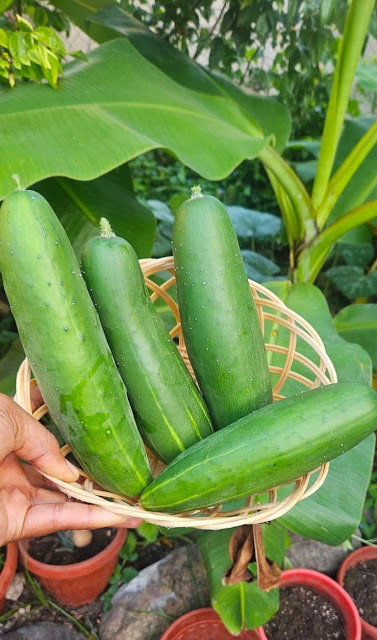
· Slicing Cucumbers: Pick when they are 6 to 8 inches long, firm, and dark green.
· Pickling Cucumbers: Pick when they are 3 to 4 inches long.
· Burpless / Seedless: Pick when they are 8 to 10 inches long and slightly slender.
2. Look at the Color
· The Goal: Uniformly dark green or bright green, depending on the variety.
· The Warning: If the skin starts turning yellow at the bottom or ends, it is overripe. Yellow cucumbers are tough, woody, and full of hard, bitter seeds.
3. Test the Firmness
· Action: Give the fruit a gentle squeeze.
· The Goal: It must feel solid and firm to the touch.
· The Warning: Soft or squishy spots mean the cucumber has stayed on the vine too long or is suffering from water issues.
4. Use the Right Technique
· Action: Always use sharp scissors, pruners, or a knife to slice the stem about a quarter-inch above the fruit.
· Why: Never pull, twist, or yank the cucumber off the vine. Tearing the vine creates an open wound that invites tropical diseases and fungi right into your plant.
5. Morning Pick is Best
· Action: Harvest your cucumbers early in the morning before the hot Jamaican sun heats the container soil.
· Why: Cool morning sugars keep the fruits crisp and sweet. Afternoon harvests tend to be warmer, softer, and wilt much faster in your kitchen.
How to Store Your Harvest for Maximum Crunch
Once you bring your fresh cucumbers inside, proper storage prevents them from turning soft, mushy, or slimy.
Keep Them Dry
· Action: Wipe the cucumbers completely dry with a clean cloth or paper towel right after picking.
· Why: External moisture trapped on the skin speeds up rotting and mold growth.
Wrap and Chill
· Action: Wrap each cucumber individually in a dry paper towel, then place them inside a reusable silicone bag or open plastic bag. Store them in the crisper drawer of your refrigerator.
· Why: The paper towel absorbs excess condensation while the bag keeps the cold air from dehydrating the skins. This keeps them crisp for up to 10 days. [1]
Keep Away from Bananas and Tomatoes
· Action: Do not store cucumbers next to ethylene-producing fruits like bananas, papayas, or tomatoes on your counter or in the fridge.
· Why: Ethylene gas accelerates aging. Storing them together causes cucumbers to turn yellow and go soft within days.
Cucumbers prove that you don’t need sprawling farmland to enjoy fresh harvests in the tropics. A few buckets on a sunny patio or verandah can supply crisp, cooling fruits all season long. With Jamaica’s warmth speeding growth, you’ll be surprised how quickly vines climb and cucumbers appear. Start small, train them upward, and let each bucket remind you that tropical gardening is about making the most of the space you have. Fresh cucumbers at your doorstep — that’s island living made simple.
Until next time - keep your hands in the soil, your heart light, and let joy grow.
With love from Hopey’s Garden


Comments