From Kitchen Staples to Resilient Foliage

Updated: 15 hours ago

Balcony gardeners in the tropics know the struggle: pests and diseases can sneak in overnight, leaving leaves spotted or curled. The combination of intense heat, high humidity, and confined spaces creates a perfect incubator for plant pathogens.
However, the answer doesn’t have to be harsh, synthetic chemicals that disrupt your home environment and wipe out beneficial insects. With everyday kitchen staples, you can mix up natural sprays that are safe, effective, and surprisingly clever. Each remedy has its own little story—a bit of science tucked into a bottle—and together they form a toolkit for resilient, thriving plants.
Dish Soap Spray – The Shield Breaker

Dish soap isn’t just for dishes. It is rich in surfactants—chemical compounds that lower the surface tension of liquids, allowing them to cut through stubborn grease and oils. On plants, those same surfactants go to work by dissolving the protective, waxy outer coating (cuticle) that shields soft-bodied pests. Once this protective barrier is compromised, the insects quickly dehydrate and perish. It is a humble kitchen staple doubling as a powerful pest fighter.
Recipe: 1–2 teaspoons of liquid dish soap in 1 quart (1 liter) of water.
Targets: Aphids, whiteflies, mealybugs, spider mites.
Pro-Tip: Always use mild, additive-free liquid soap (like basic Castile soap) rather than concentrated degreasers or harsh dishwasher detergents.
Application: Spray in the cool morning or evening to avoid leaf burn (phytotoxicity) caused by the sun magnifying through the wet droplets.
Milk Spray – The Solar-Activated Fungicide
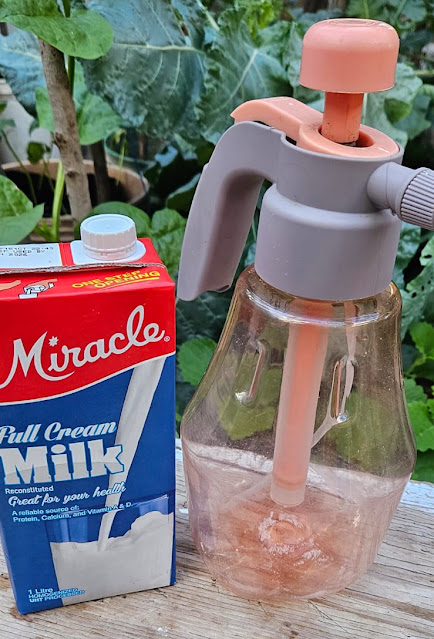
Milk is much more than basic nutrition; it is a complex biological matrix of proteins, enzymes, and natural salts. When sprayed onto foliage, sunlight interacts with the whey protein (lactoferrin) in the milk to produce free radicals that are highly toxic to fungal spores.
Additionally, the naturally occurring lactic acid bacteria in milk multiply on the leaf surface, physically competing for space and nutrients against invading pathogens. In effect, milk turns your balcony into a natural antifungal laboratory.
Recipe: Mix 1 part milk (skim milk works best to prevent sour odors) with 2–3 parts water.
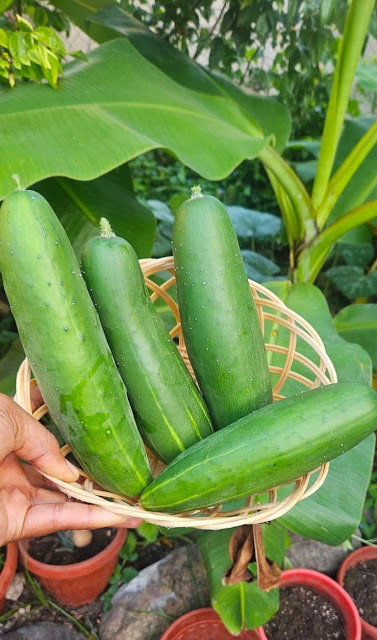
Targets: Powdery mildew on cucumbers, squash, herbs, and roses.
Pro-Tip: This remedy is highly dependent on light. Apply it on bright, clear mornings so the sun can activate the milk proteins immediately.
Application: Spray thoroughly across all leaf surfaces weekly during humid weather for optimal protection.
Baking Soda Spray – The pH Disruptor

Baking soda (sodium bicarbonate) is a humble powder with a powerful chemical trick: it rapidly shifts the pH level on leaf surfaces. Fungal spores require a slightly acidic environment to germinate, penetrate, and colonize plant tissue. A thin, uniform layer of baking soda creates an alkaline surface environment, completely disrupting the fungus's cellular structure and stopping its growth cycle in its tracks.
Recipe: 1 teaspoon baking soda + a few drops of dish soap (to act as a spreader-sticker) in 1 quart (1 liter) of water.
Targets: Powdery mildew, black spot, rust.
Pro-Tip: Sodium can accumulate in the soil over time and cause leaf scorch. Never exceed the recommended dosage.
Application: Use sparingly as a targeted treatment rather than a blanket preventative spray.
Hydrogen Peroxide Spray – The Oxygen Booster

Hydrogen peroxide (H₂O₂) is essentially water (H₂O) with an extra, highly unstable oxygen atom. When it comes into contact with organic matter, it rapidly breaks down through oxidation, releasing that extra atom. This process creates a powerful sanitizing action that destroys the cell walls of harmful bacteria, fungal spores, and root-rotting pathogens on contact, leaving behind nothing but pure water and oxygen.
Recipe: 1 tablespoon of standard household hydrogen peroxide (3% concentration) in 1 cup of water.
Targets: Root rot, leaf spot, dampening-off, seed sterilization.
Pro-Tip: If dealing with soil fungus gnats or soggy soil, drench the root zone with this mix to instantly eliminate larvae and oxygenate suffocating roots.
Application: Water the soil or mist infected leaves occasionally to cleanse your growing medium.
Aspirin Spray – The Plant Vaccine

Aspirin contains acetylsalicylic acid, a close chemical relative of salicylic acid—the exact hormone plants naturally produce when they are under attack by disease or environmental stress. Spraying a highly diluted aspirin solution tricks the plant into thinking it is under active invasion. This triggers Systemic Acquired Resistance (SAR), causing the plant to proactively reinforce its cell walls and produce natural pest-fighting compounds before any real damage occurs.
Recipe: 1 standard aspirin tablet (325 mg, non-coated) thoroughly dissolved in 1 quart (1 liter) of water.
Targets: General plant stress, transplant shock, systemic disease prevention.
Pro-Tip: This spray functions exactly like a vaccine; it must be applied before the plant gets sick to be truly effective.
Application: Mist your entire garden every 2–3 weeks during the peak growing season to keep immune systems sharp.
Garlic Spray – Nature's Chemical Warfare

Garlic is a biological powerhouse packed with volatile sulfur compounds. When garlic cloves are crushed, a chemical reaction produces allicin, a potent, natural antimicrobial and insect-repelling molecule. The intense aroma and pungent taste act as a stark warning signal that deters chewing insects, while the underlying sulfur compounds actively inhibit the germination of fungal spores.
Recipe: Blend 2–3 raw garlic cloves with 1 quart (1 liter) of water. Strain through a fine cheesecloth, and add a few drops of dish soap to help the liquid adhere to smooth leaves.
Targets: Caterpillars, beetles, thrips, aphids, and various fungal spores.
Pro-Tip: Make sure to strain the mixture thoroughly; any leftover garlic pulp will quickly clog your spray nozzle.
Application: Apply evenly in the evening to prevent sun scorch, and reapply weekly during active pest outbreaks.
Quick Conversion Guide for Gardeners
U.S. Quarts | Liters (Approx.) | Liters | U.S. Quarts (Approx.) |
1 quart | 0.95 L | 1 L | 1.06 quarts |
2 quarts | 1.90 L | 2 L | 2.10 quarts |
3 quarts | 2.80 L | 3 L | 3.20 quarts |
4 quarts (1 Gal) | 3.80 L | 4 L | 4.20 quarts |
Troubleshooting & Frequently Asked Questions
Q: Can I mix these sprays together to save time?
A: No. It is highly recommended to use only one spray at a time. Combining different kitchen remedies can alter the pH, cause unexpected chemical reactions, and dramatically increase the risk of severe leaf burn. If your plants need multiple treatments, space them out by rotating your sprays weekly.
Q: How often do I need to reapply these remedies?
A: Most natural sprays function as gentle, organic nudges rather than permanent, heavy-duty chemical fixes. For active issues, reapply every 7–10 days. Because these solutions are completely water-soluble, you must always reapply them immediately following a heavy tropical downpour.
Q: Are these homemade mixtures safe to use on edible crops?
A: Yes, absolutely. Because these remedies are constructed entirely from standard kitchen staples, they are completely safe for vegetables, herbs, and fruit trees. As a best practice, always thoroughly rinse your harvested produce with fresh water before eating to remove any lingering soapy or garlicky residues.
Q: Will these organic sprays cure plant diseases overnight?
A: No. These solutions are designed to be preventative and supportive rather than instant, systemic cures. Their primary purpose is to safely slow down pest reproduction and fungal replication, buying your plants the critical time they need to recover and rebuild their natural defenses.
Q: Can I save and store my leftover sprays for later use?
A: Generally, no. Because these mixtures do not contain synthetic preservatives, they lose their biological potency very quickly—often within 24 to 48 hours. Leftover organic mixes (especially milk and garlic) can also spoil and breed unwanted bacteria. Mix small, fresh batches as needed, much like brewing a fresh cup of tea.
Closing Thoughts
Each of these sprays serves as a gentle reminder that successful gardening does not require complex routines or heavy chemical interventions. The very same ingredients that flavor your dinners, clean your countertops, or soothe your aches can be adapted to nurture your garden. More than simple recipes, these are tiny experiments in ecological resilience—living proof that even the smallest balcony garden can thrive when approached with creativity, science, and intentional care.
Until next time—keep your hands in the soil, your heart light, and let joy grow.
With love from Hopey’s Garden.


Comments